On Premises Deployment for CloudAEye
July 17, 2026. 10 min
CloudAEye brings AI-powered code review directly to GitLab Cloud and GitLab Self-Managed, helping engineering teams improve code quality, strengthen security, and accelerate software delivery without changing existing workflows. By understanding the entire codebase rather than individual files, CloudAEye provides accurate, context-aware recommendations with fewer false positives.
Beyond code review, CloudAEye helps developers generate merge request descriptions, create unit tests, implement fixes, and secure traditional applications as well as AI-powered systems built with LLMs, AI agents, and MCP servers, enabling organizations to ship production-ready software faster.
Software teams leveraging GitLab, whether on GitLab.com or self-managed instances, can now streamline and automate high-quality code reviews with CloudAEye Code Review. This expansion brings CloudAEye's advanced AI-driven review capabilities into the GitLab ecosystem, enabling faster delivery, stronger code hygiene, and deeper insights directly within merge requests.
Modern engineering organizations face relentless pressure to deliver reliable, secure, maintainable software at speed. CloudAEye Code Review automates critical aspects of the code review lifecycle catching defects early, identifying security issues, and providing actionable insights, so development teams can ship with confidence. This support for GitLab Cloud and Self-Managed setups aligns CloudAEye with the diverse needs of enterprise and on-premise deployments, ensuring teams don't compromise on automation or quality regardless of where they host their source code.
CloudAEye is not a traditional static analyzer. Its AI can understand entire codebases, dependencies, and architectural patterns, providing “human-like” review feedback that goes beyond surface-level checks. Core features include:
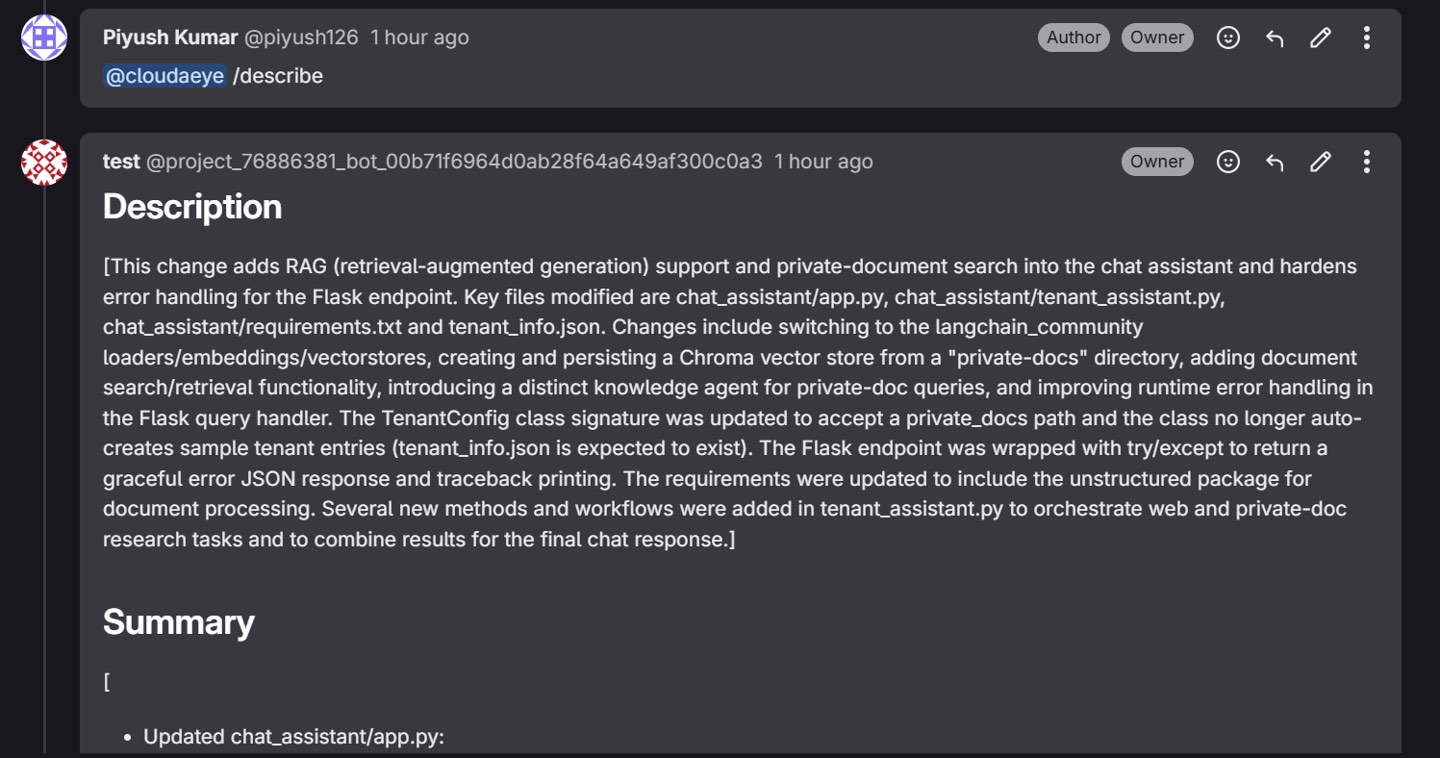
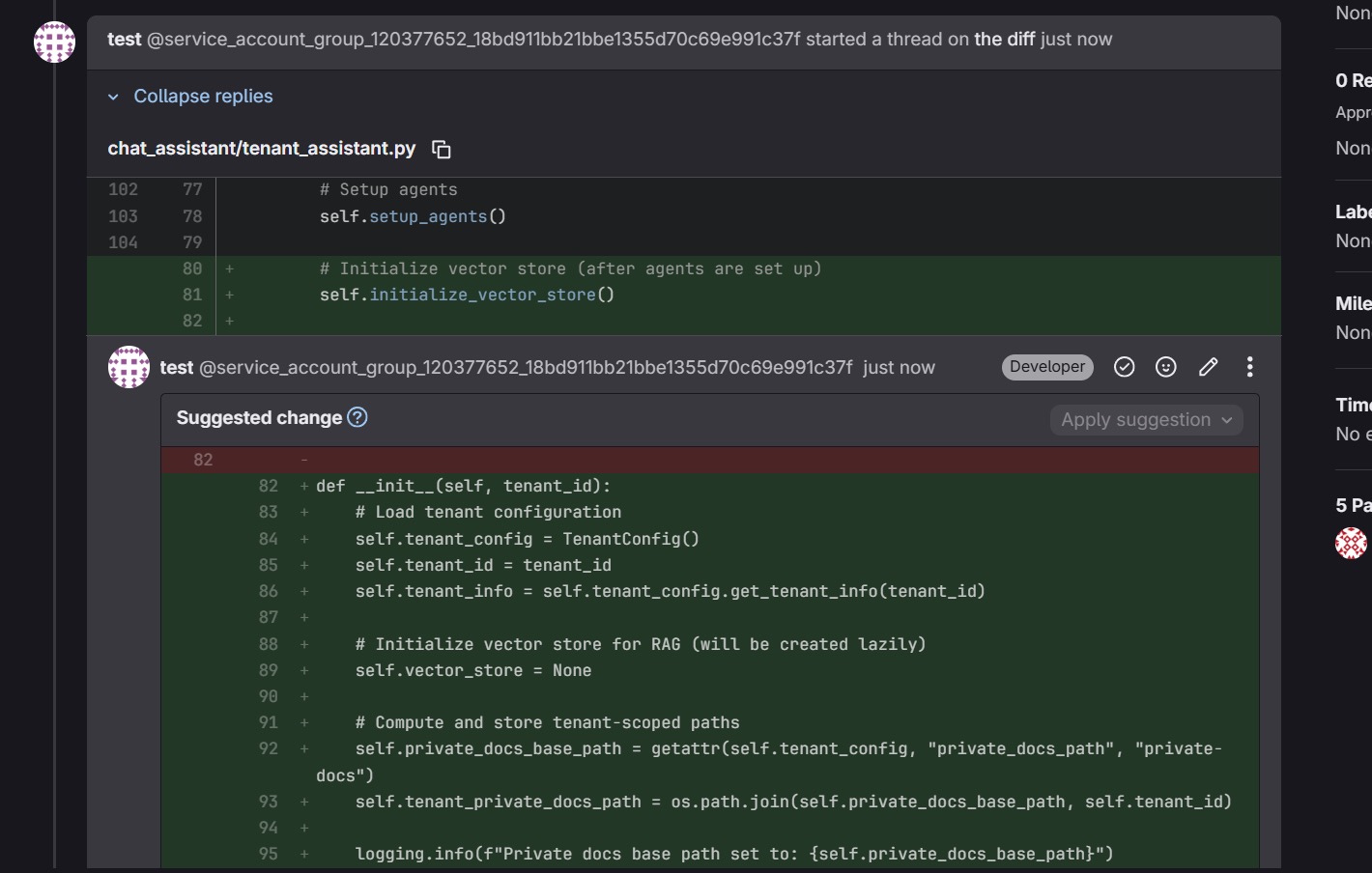
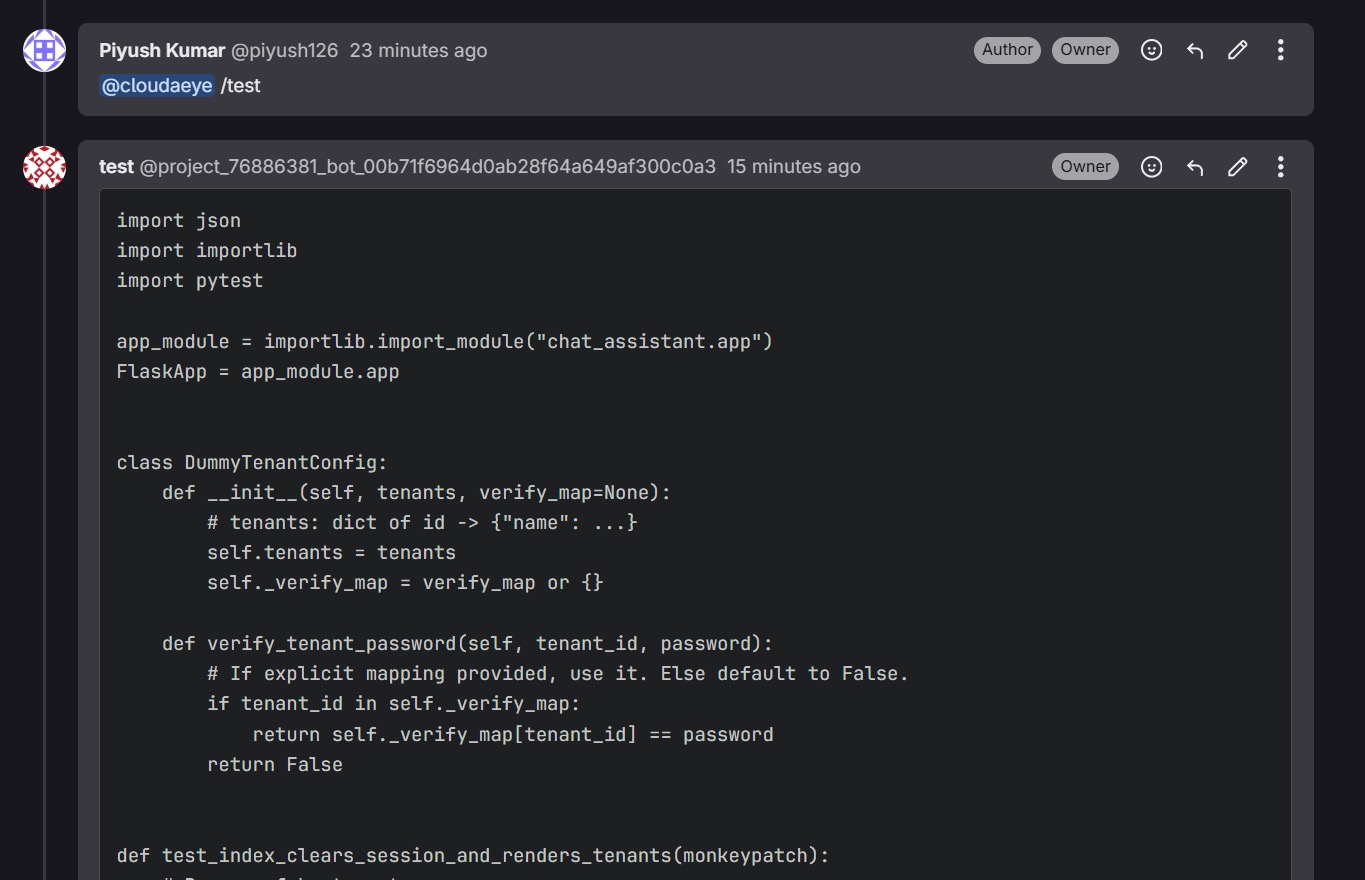
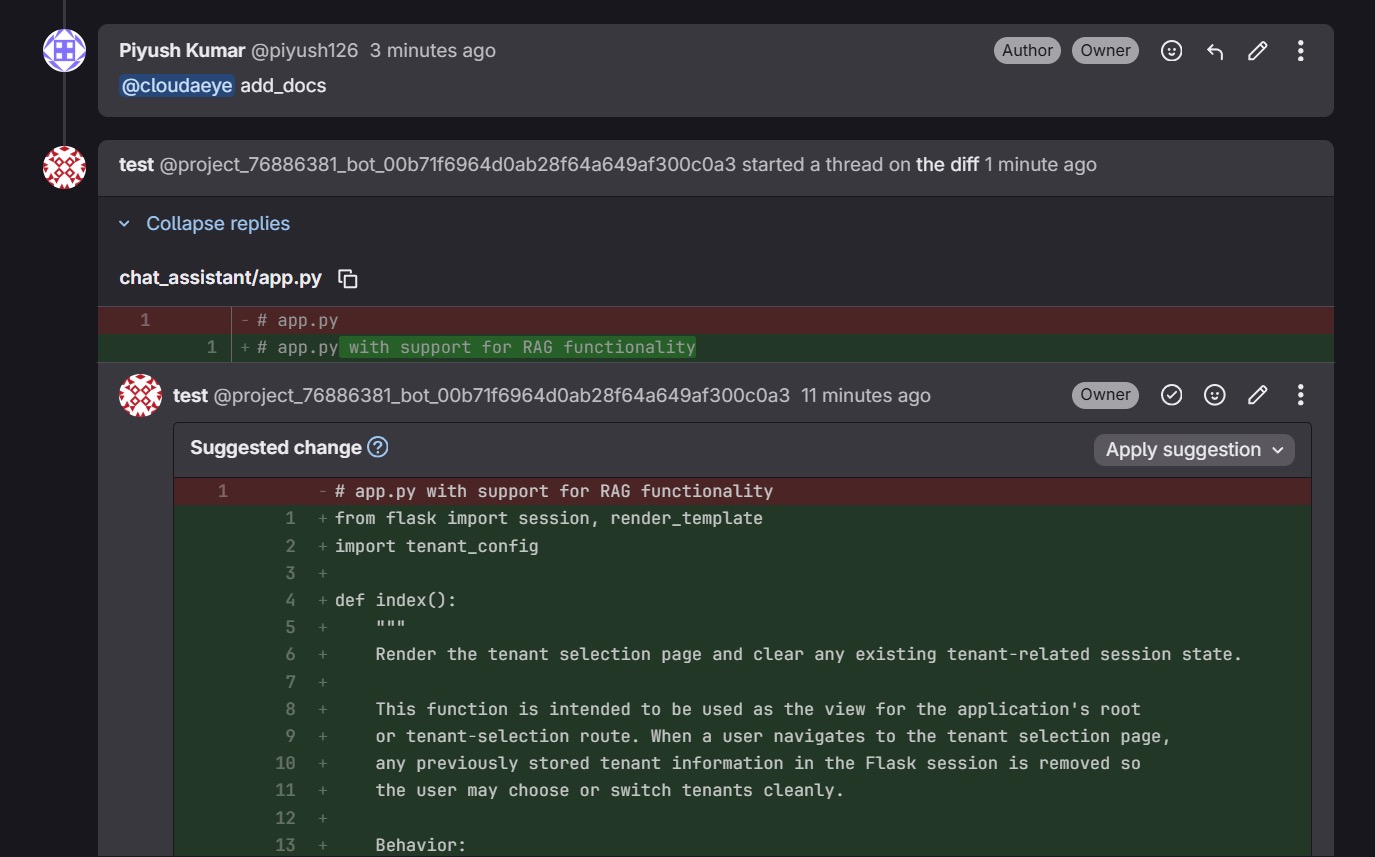
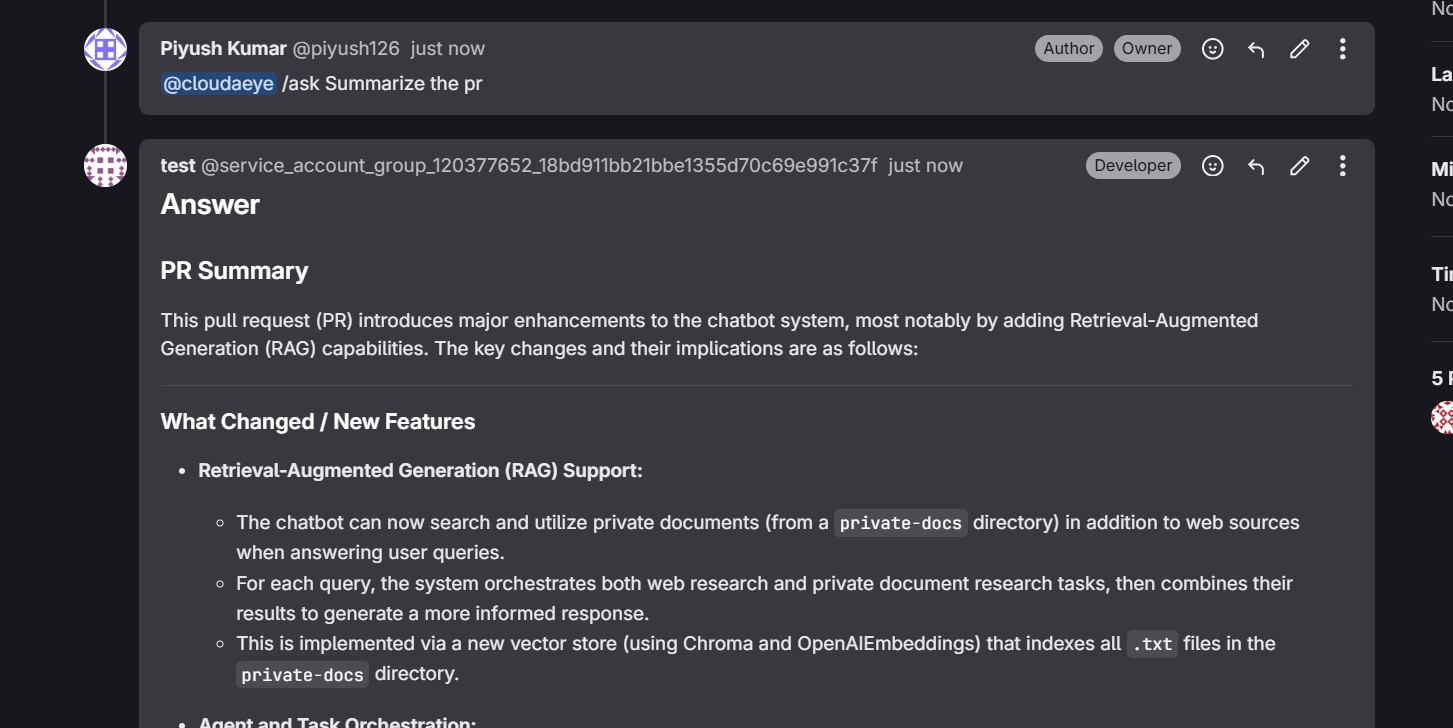
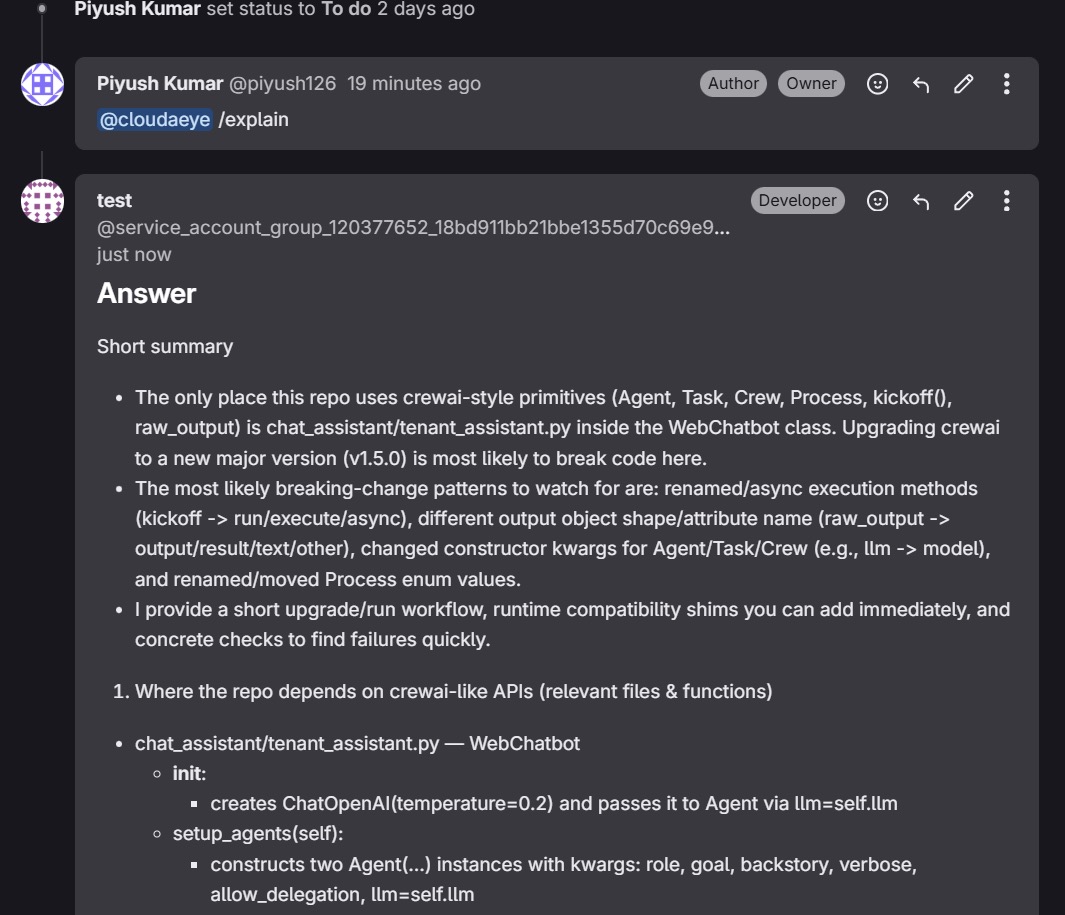
CloudAEye's GitLab integration enables developers to run automated reviews directly within GitLab merge requests (MRs) for both GitLab Cloud and self-managed instances. It extends the native GitLab code review workflow with AI-powered insights, without disrupting the developer experience.
To begin using CloudAEye Code Review with GitLab whether on cloud or self-managed infrastructure, follow the key configuration steps below.
Create a CloudAEye account if you have not already, and sign in to the CloudAEye SaaS platform.
Within the CloudAEye dashboard:
After token and permissions are configured, select which projects should receive automated reviews. CloudAEye will confirm access and begin reflecting repository metadata.
Once connected:
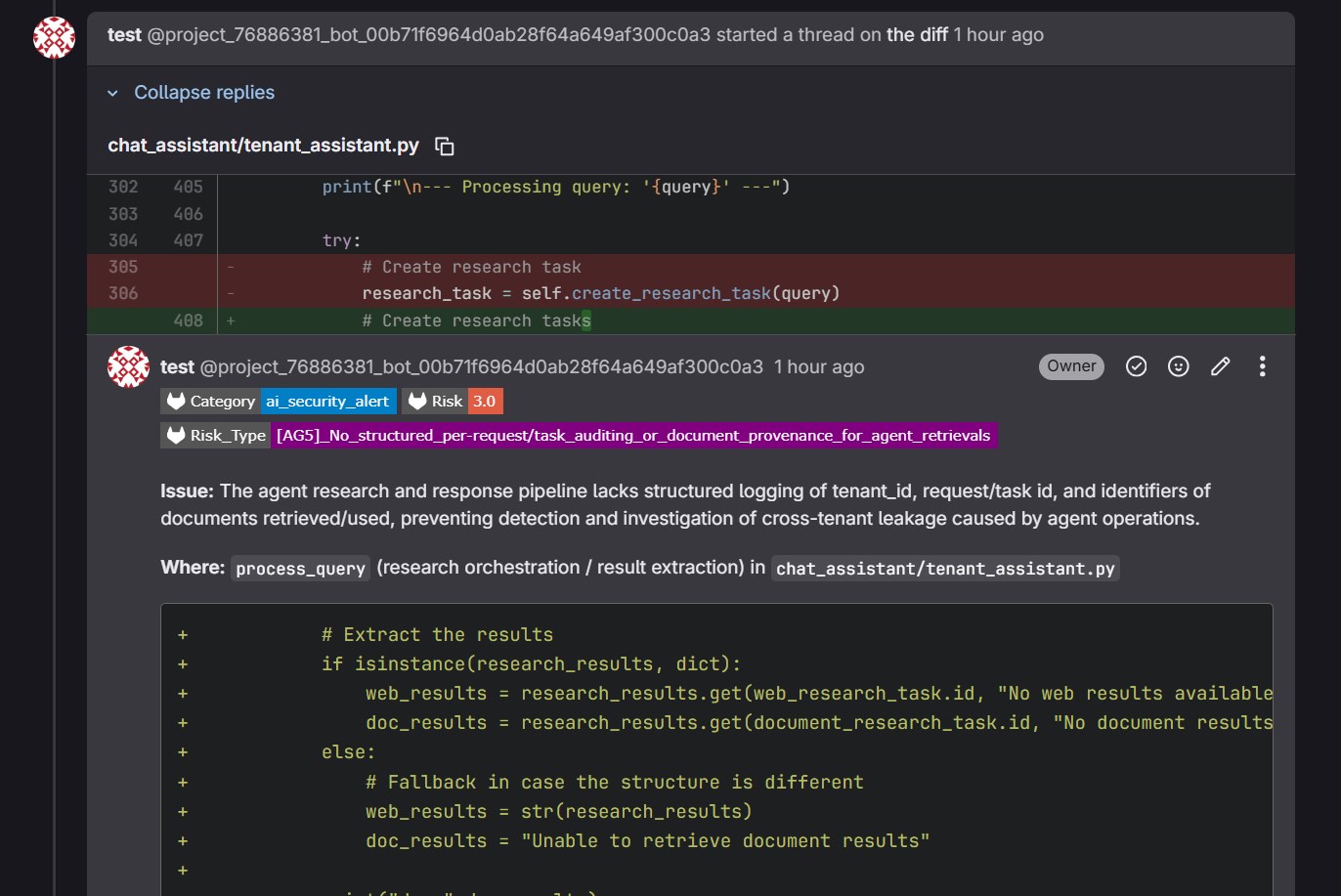
CloudAEye will post detailed review comments, segregated by category (quality, security, etc.) directly within GitLab's MR interface.
CloudAEye distinguishes itself from other code review and analysis tools on several axes:
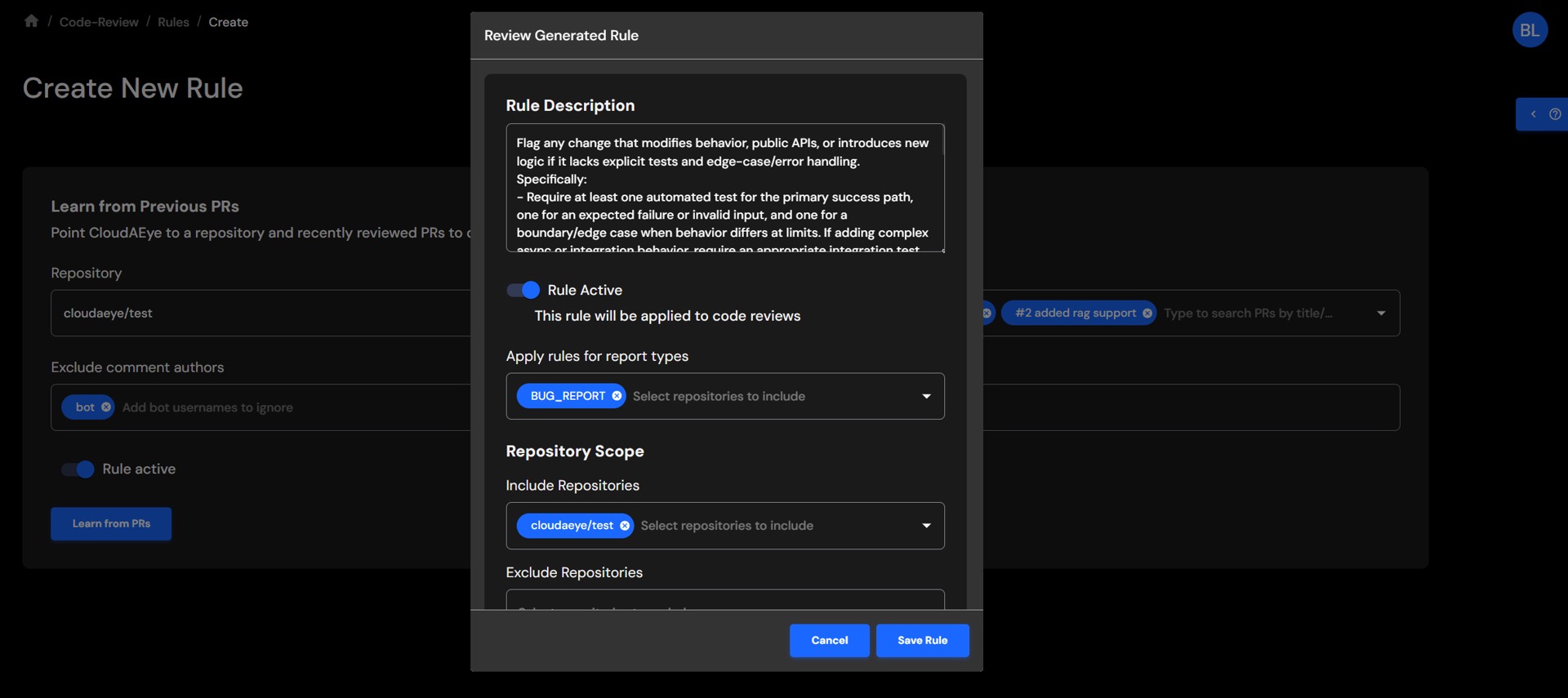
With GitLab support across both cloud-hosted and self-managed environments, CloudAEye Code Review brings cutting-edge AI automation to teams looking to accelerate development velocity while maintaining high standards for quality and security. Whether you operate entirely in GitLab Cloud or on-premise, integrating CloudAEye into your developer workflows means fewer manual reviews, faster resolution cycles, and a clear path toward consistent engineering excellence.

A seasoned engineering executive, Nazrul has been building enterprise products and services for 20 years. Nazrul is the founder and CEO of CloudAEye. Previously, he was Sr. Dir and Head of CloudBees Core where he focused on enterprise version of Jenkins. Before that, he was Sr. Dir of Engineering, Oracle Cloud. Nazrul graduated from the executive MBA program with high distinction (top 10% of the cohort) at University of Michigan Ross School of Business. Nazrul is named inventor in 47 patents.
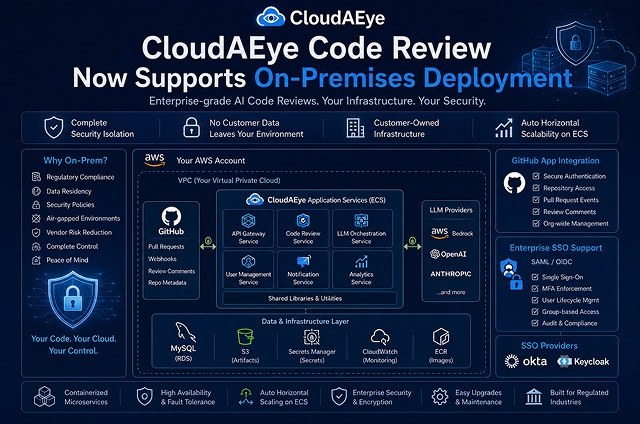
July 17, 2026. 10 min
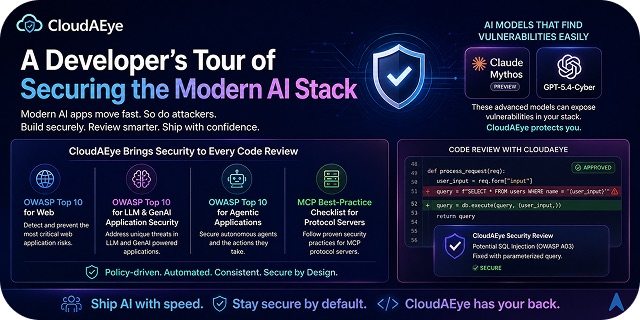
May 05, 2026. 15 min

Feb 24, 2026. 12 min
Dec 11, 2025. 10 min
May 28, 2025. 12 min

February 21, 2025. 8 min

Feb 04, 2025. 5 min

Dec 17, 2024. 10 min

December 24, 2024. 5 min

Jan 14, 2025. 5 min

February 18, 2025. 12 min
January 10, 2025. 7 min

January 31, 2025. 8 min

March 11, 2025. 8 min
Solutions by Use Case
Solutions by Role
Resources
Company